

How does a tariff differ from a percentage of sales?
In the commission model, a portion of the proceeds is used to pay the intermediary for each sale. For a product with a limited margin, this can significantly affect the result. It is especially important to understand in advance what remains after purchasing, packaging, delivery and attracting a buyer.
In onstore the costs of accessing the platform depend on the selected tariff and configuration. The absence of commission on orders allows you to plan this budget item separately. You need to check available features and prices on the tariffs page, based on the composition of the solution for your business.
What expenses do your own store keep?
Owning a channel does not relieve the seller of sales costs. We need photographs, product descriptions, attracting an audience, processing requests and fulfilling orders. The payment provider and delivery service have their own conditions, which are taken into account separately from the tariff onstore.
For a correct comparison, divide expenses into fixed and variable. The first may include access to the system and part of the team’s work, the second may include packaging, payment services and delivery of a specific order. It is more convenient to evaluate advertising costs together with the number of purchases received and completed.
An easy way to compare two channels
Take one product and one sales period. From the actual price, subtract the cost and costs associated with fulfilling the order. Then distribute the costs of attracting and maintaining the channel. The comparison will be useful only if the cost composition is equally complete for both models.
Conditional example: with revenue of 2,000 tenge, cost of 1,000 tenge and other expenses of 700 tenge, 300 tenge remains before unaccounted costs and taxes. This is a training calculation, and not the tariff onstore or the marketplace. Its task is to show why even a small change in expenses affects the result.
Why does a single system also affect the economy?
Expenses arise not only from monetary withholdings. If the operator rewrites the order into a table, the assembler clarifies the details in the chat, and the courier calls for the address, the team spends working time repeating actions. Such operations should be taken into account when choosing a sales tool.
onstore connects orders, customers, payments and delivery in one account. Employees work with general information and assigned steps. This helps organize the process and see where delays are occurring before increasing your advertising budget.
When direct sales are especially interesting
Your own store is worth checking out if the business already has recognition, a local audience or regular demand. Under these conditions, repeat purchases may require less effort than continually acquiring a new customer. Order history and marketing tools onstore help build such work.
- Compare costs for a completed order, not for completing an application.
- Calculate several sales volume scenarios.
- Consider employee time and quality of service.
- Check the results of the pilot run before scaling up.
Shall we discuss your store?
Discuss the tariff and set of OzSauda.kz modules, then include them in the calculation of the economy of your store.
An application under your brand without development
Your store is in the buyer’s phone in a few clicks
Launch the application for iOS and Android based on the templates OzSauda.kz. Your catalog, orders and delivery - in a format familiar to customers.
 iOS
iOS
 Android
Tell us about your business and choose a template in a short questionnaire.

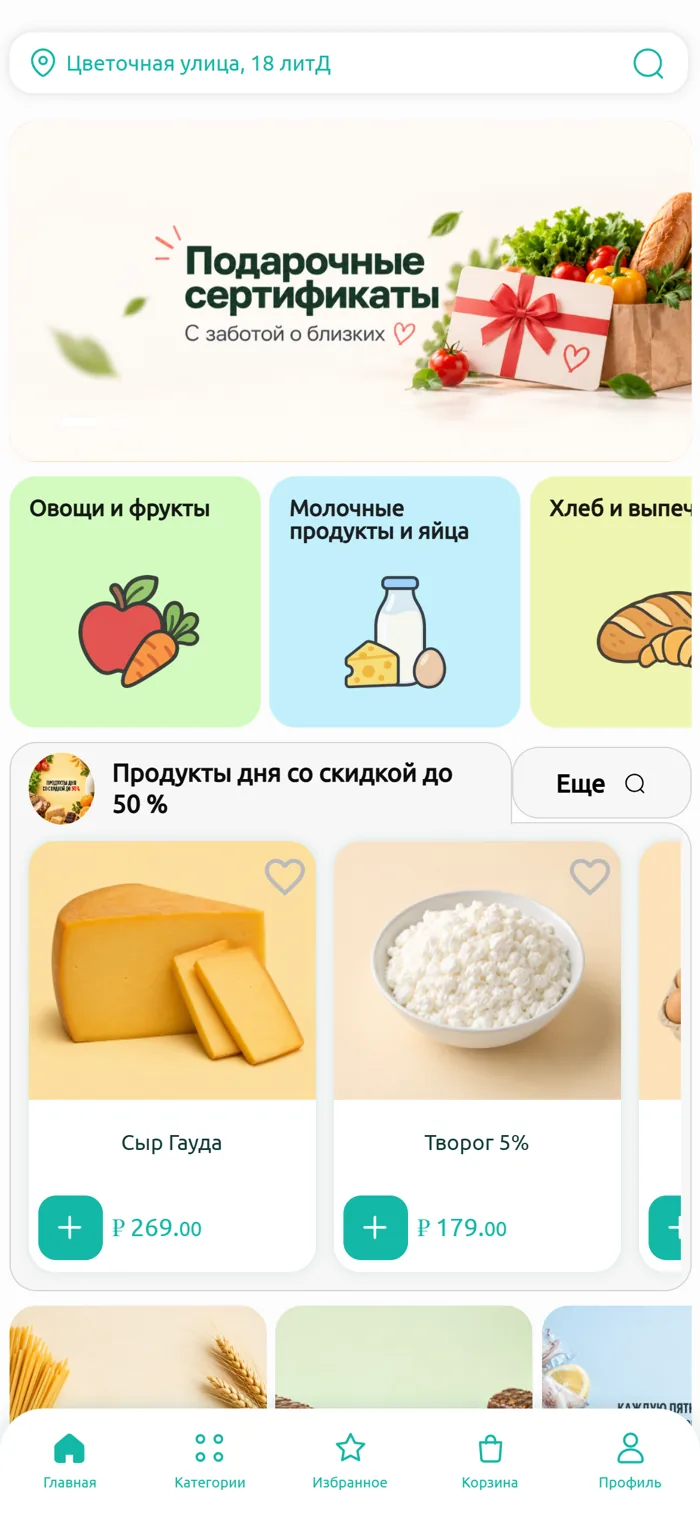
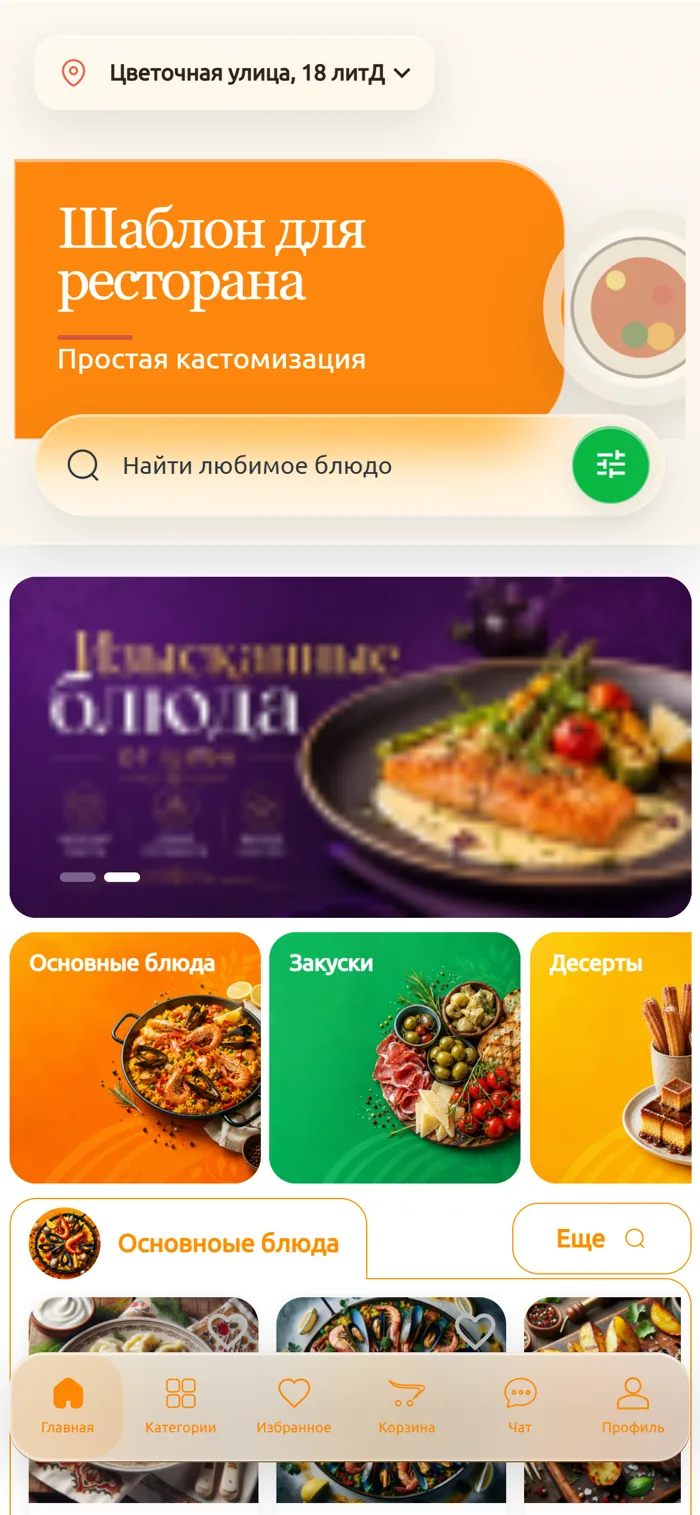
Clothing · Groceries · Restaurant · Pet store · Auto parts · Flowers · Supermarket